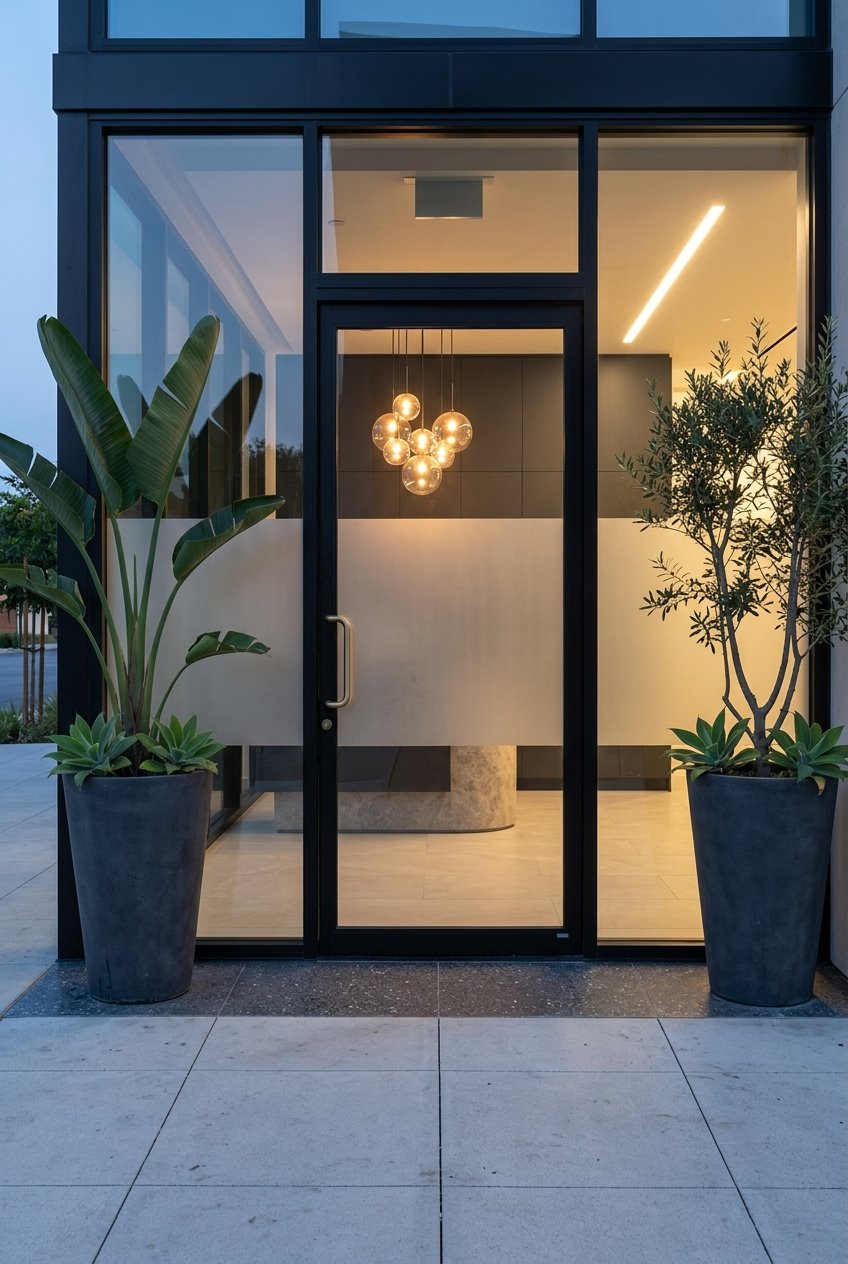
Opening a medspa or studio in West Hollywood can feel exciting right up until the space you love turns out to be the wrong fit. A beautiful storefront does not always mean the zoning works, the parking makes sense, or the build-out will stay on schedule. If you are comparing spaces and trying to avoid expensive surprises, this guide will help you focus on what matters most before you sign a lease. Let’s dive in.
Start With Use and Zoning
In West Hollywood, the first question is not whether a space looks right. It is whether your intended use is actually allowed there. The city’s zoning map and planning framework include commercial areas, mixed-use opportunities, and special districts such as specific plan areas, neighborhood conservation zones, and parking overlay zones.
That matters because a medspa or wellness studio may not fit neatly into a simple office or retail category. If your concept blends treatment rooms, personal services, wellness offerings, or studio functions, you should confirm the use classification with West Hollywood planning early. This step can shape everything that follows, from lease language to permit timing.
Why mixed-use context matters
West Hollywood’s General Plan says commercial designations are generally located along corridors and are intended to support lower-scale development evolving into transit-supportive commercial and mixed-use development. The city also encourages mixed-use projects with residential and office above businesses in commercial areas, except where a commercial-only overlay district applies.
For you, this means a great space may be part of a larger mixed-use setting, but that does not automatically mean every business type is approved. The parcel’s zoning and any overlay district still need to line up with your exact operation.
Confirm your use before lease signing
This is especially important for medspa operators. West Hollywood’s over-the-counter tenant improvement program excludes medical and dental offices, so you should not assume your project will move through review like a standard office or retail tenant improvement.
If your business has any medical component, even a limited one, verify that with planning before you commit. A quick confirmation early can save you from signing a lease for a space that creates delays or requires a more complex approval path.
Prioritize Visibility and Client Access
In West Hollywood, location is not just about the address. It is also about how clients experience your space when they arrive. For a medspa or studio, visibility, frontage, and ease of access can affect both daily operations and long-term brand growth.
The city’s commercial design guidelines emphasize pedestrian-oriented planning, street-facing entries, and active public spaces. That makes sidewalk presence and storefront visibility especially relevant if you rely on walk-in awareness, strong branding, or a polished client arrival experience.
Look for strong street presence
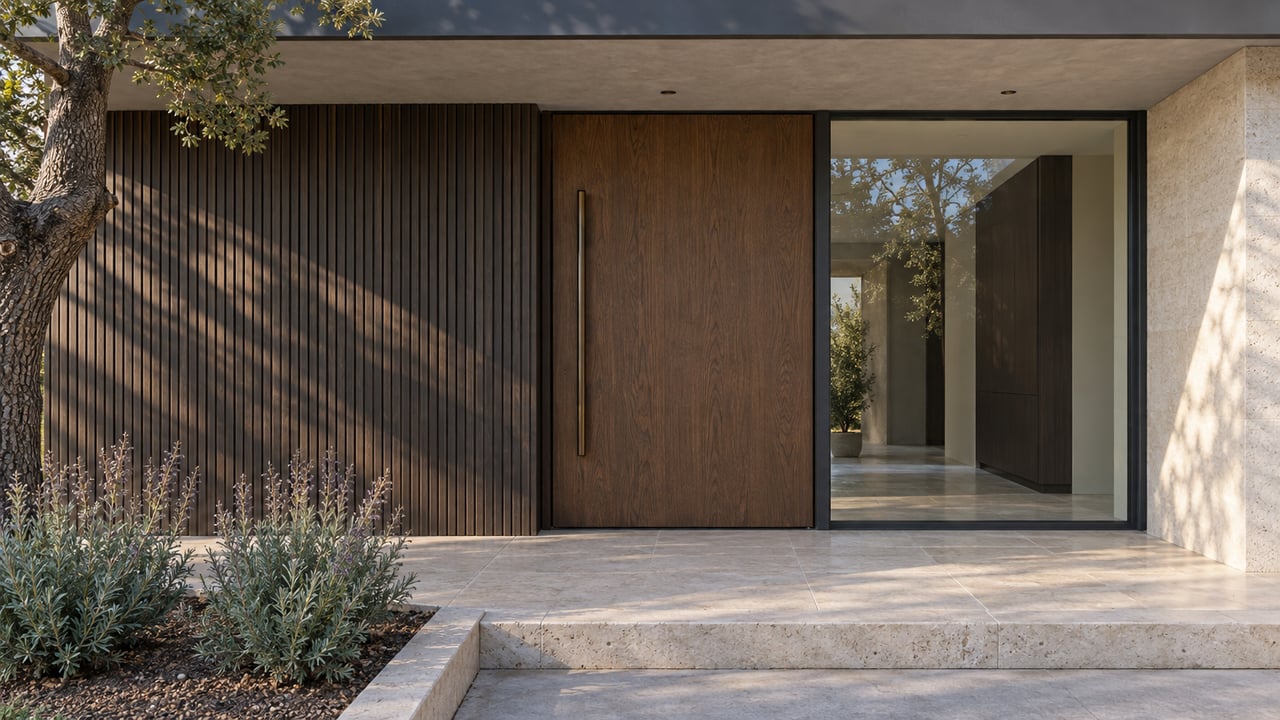
A space with clear frontage can support your signage, window presentation, and brand identity. If your concept depends on a refined first impression, the building’s orientation and entry visibility should be part of your decision, not an afterthought.
This does not mean every business needs the busiest corner. It means the physical setup should match how you want clients to find you, approach the space, and recognize your business.
Think beyond car access
West Hollywood also approaches planning with the goal of reducing land-use conflicts and creating convenient, healthful, and attractive environments. In practical terms, that means client access is not only about parking.
Cityline is free to the general public, ADA accessible, and operates commuter and local routes through West Hollywood, including service along Santa Monica Boulevard. If your clients or staff may arrive by transit, a location near these routes can be a real advantage.
Verify parking before you sign
Parking can make or break a client-facing business. West Hollywood specifically warns new businesses to verify commercial parking eligibility before signing a lease.
That step matters because commercial parking permits are tied to the physical location and are not transferable if the business moves. If parking is part of your operating plan, ask about permit availability for that exact address before you move forward.
Test Build-Out Feasibility Early
A space that looks almost ready can still become expensive once plans are drawn. For medspas and treatment-oriented studios, build-out questions often show up in plumbing, accessibility, mechanical systems, and fire and life safety requirements.
This is where early feasibility work pays off. Before you fall in love with a layout, test whether the physical space supports the improvements your business actually needs.
Understand OTC limits
West Hollywood offers over-the-counter plan review for smaller, less complex tenant improvements, but the rules are narrow. Eligible projects are limited to retail stores and professional business offices, and medical and dental offices are excluded.
The city also limits OTC projects to those generally under 2,500 square feet, under 49 occupants, and in a single-story building. Projects with structural changes, exterior changes, new plumbing fixtures, sprinkler or alarm alterations, right-of-way work, added square footage, food service, mezzanines, façade renovations, or phased construction are also excluded.
For many medspa concepts, those exclusions are significant. Even one scope item such as added plumbing or certain life-safety changes can push the project out of a simplified review path.
Review the hidden scope items
When you evaluate a West Hollywood space, ask practical questions early:
- Will you need new sinks or treatment-room plumbing?
- Do existing bathrooms meet your needs?
- Are accessibility upgrades likely?
- Will the HVAC or electrical systems support your equipment and layout?
- Could fire or life-safety requirements affect the floor plan?
These questions are not just construction details. They directly affect your opening timeline, improvement budget, and lease strategy.
Know what the city requires
West Hollywood says construction documents must be complete and prepared by a California-licensed architect. The architect responsible for the plans must also be present at the OTC appointment, and some projects may require separate mechanical, electrical, and plumbing plan checks.
Before an OTC appointment, applicants must upload both a zone-clearance application and a plan-check application. The city processes applications within 3 business days, but OTC review does not mean same-day permit issuance.
Tenant improvement permits are issued only to a licensed contractor with a current California state license. If you are trying to forecast opening dates, this is another reason to build your timeline around real permitting steps rather than best-case assumptions.
Factor in Green Building and Signage
Your build-out is not only about treatment rooms and finishes. West Hollywood’s green-building standards apply to remodels and tenant improvements, so energy and water choices can affect project scope.
That means the right space is not always the one with the lowest starting rent. Sometimes a slightly better-configured space can reduce upgrade needs and help control costs tied to compliance and construction.
Signage also deserves attention early. West Hollywood allows over-the-counter review for wall signs and some related items, which can help if exterior branding is part of your business model.
For a medspa or studio, signage and curb appeal often support client confidence before they ever step inside. If exterior presentation matters to your concept, evaluate that as part of the site-selection process.
Negotiate the Lease With Operations in Mind
The lease should support the way your business actually operates. That starts with a permitted-use clause that reflects your real concept, not a vague category that may create issues later.
Legal guidance on commercial leases notes that landlords may require approval of your contractors and prior approval before alterations. In a build-out-heavy use like a medspa or studio, those terms can affect speed, cost, and flexibility.
Focus on the permitted-use clause
If your operation includes services that cross between wellness, studio, personal service, or medical-style treatment, the permitted-use language should be drafted carefully. A lease that is too narrow can create problems when you try to finish improvements or begin operations.
This is one of the most important points to negotiate before signing. The space may be physically workable, but the lease still needs to match how you intend to use it.
Discuss TI allowance and approvals together
Tenant-improvement allowances are often negotiated alongside rent and lease term. It is smart to treat these issues as one package rather than separate conversations.
If the landlord controls contractor approvals and alteration consent, those items should be clear before you commit. The smoother that process is on paper, the easier it is to manage your build-out in the real world.
Budget for more than base rent
Many commercial leases are triple-net, which means your costs may include common-area expenses, utilities, maintenance, taxes, and insurance in addition to base rent. A space can look affordable at first glance and still stretch your budget once the full lease structure is understood.
In West Hollywood, the right space is often the one where zoning, parking, permit path, and lease economics all work together. If even one of those pieces is off, your opening timeline and capital plan can quickly feel strained.
A Smart West Hollywood Space Checklist
Before you sign, make sure you have answers to these questions:
- What is the parcel’s zoning and are there any overlay districts?
- Is your exact use classification likely to be allowed there?
- Is mixed-use allowed, and does that matter for your operation?
- Are commercial parking permits available for that address?
- Is the project likely to qualify for OTC review, or will it require formal plan check?
- Will your scope trigger plumbing, accessibility, MEP, or fire and life-safety upgrades?
- Does the lease clearly permit your actual business model?
- How will contractor approvals, alteration approvals, and TI allowance be handled?
- What are the full occupancy costs beyond base rent?
If you can answer these questions before lease signing, you will be in a much stronger position to choose a space that supports your business instead of slowing it down.
Why Technical Guidance Matters
West Hollywood can be a strong market for client-facing wellness and studio concepts, but it rewards careful planning. The best space is rarely just the prettiest one or the one with the lowest advertised rent.
It is the space where your use, build-out needs, access, parking, and lease terms all line up. When you evaluate those pieces early, you reduce risk, protect your budget, and give yourself a more realistic path to opening.
If you are exploring West Hollywood options for a medspa or studio, working with an advisor who understands leasing strategy, permitting realities, and build-out feasibility can help you move faster and avoid costly missteps. To schedule a free consultation, connect with Tina Dagent.
FAQs
What should you verify before leasing a medspa space in West Hollywood?
- Confirm the parcel’s zoning, any overlay districts, your intended use classification, parking eligibility, likely permit path, and whether the lease’s permitted-use clause matches your actual operation.
How does West Hollywood OTC plan review affect a medspa or studio?
- West Hollywood reserves OTC review for smaller, less complex tenant improvements, and medical or dental offices are excluded, so many medspa concepts may need a more formal review process.
Why is parking important for a West Hollywood wellness business?
- The city advises businesses to verify commercial parking eligibility before signing a lease, and commercial permits are tied to the physical location rather than moving with the business.
What build-out issues can change your West Hollywood timeline?
- New plumbing fixtures, accessibility upgrades, mechanical or electrical changes, and fire or life-safety requirements can expand project scope and affect both review path and opening schedule.
What lease terms matter most for a West Hollywood studio or medspa?
- Pay close attention to the permitted-use clause, landlord approval rights for contractors and alterations, any tenant-improvement allowance, lease term, and the full cost structure if the lease is triple-net.