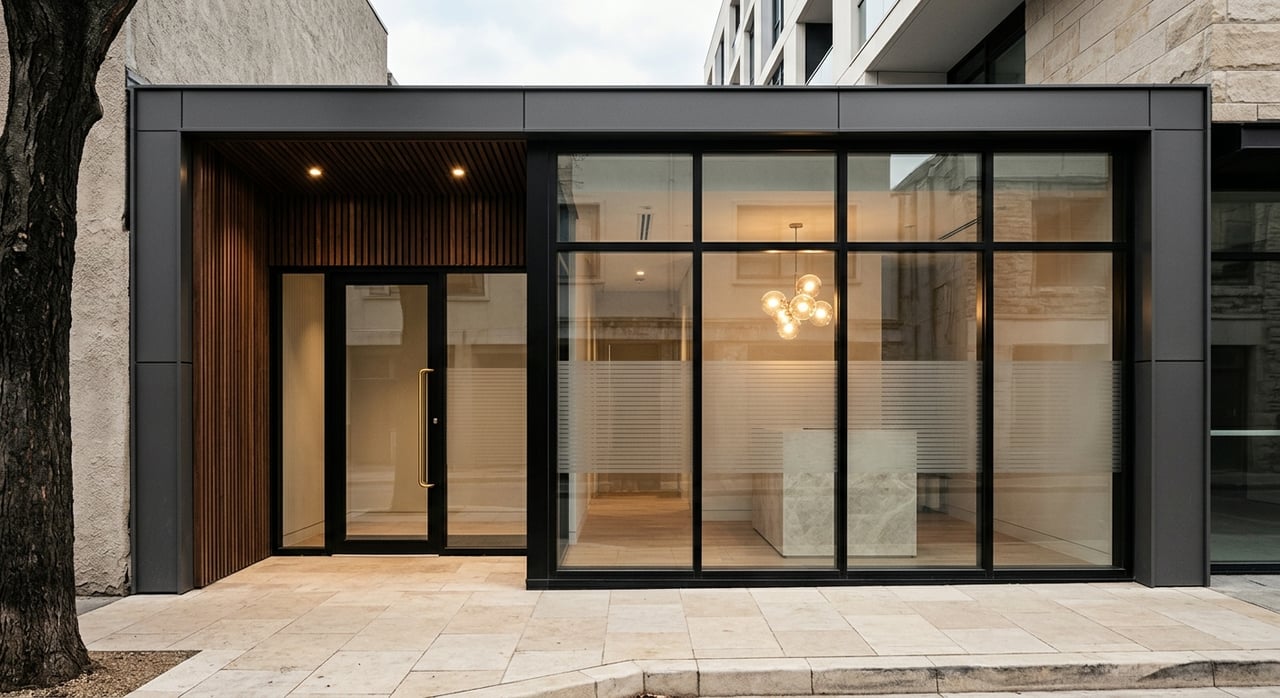
Opening a wellness or medspa location in West Hollywood can look simple on paper until the lease meets the city’s rules. A space may seem perfect based on rent, frontage, or interior layout, but the wrong use language, parking setup, or permit path can create expensive delays. If you are planning to lease in West Hollywood, you need to make sure the lease and the property actually work together. Let’s dive in.
Why West Hollywood Leases Need Extra Care
West Hollywood is a strong fit for wellness and medspa operators because its commercial districts support a mix of retail, office, personal service, restaurant, entertainment, and mixed-use activity. Key corridors like Santa Monica Boulevard, Sunset Boulevard, and the Melrose, Beverly, and Robertson area each serve different commercial patterns, which can affect visibility, storefront expectations, and project planning.
That said, this is not a market where you want to sign first and sort out details later. In West Hollywood, zoning classification, parking requirements, signage rules, and plan review all matter early. A competitive rental rate does not help if your use does not align with the property or your build-out cannot move forward smoothly.
Start With the Use Clause
For a wellness or medspa tenant, the use clause is one of the most important parts of the lease. A vague description like “spa” or “office” may not be enough if your actual business includes treatment rooms, wellness services, or medically oriented services.
West Hollywood draws a clear distinction between personal services and medical services. Personal services include non-medical uses such as spas, hot tubs, tanning salons, and tattoo parlors. Medical services include outpatient medical, dental, psychiatric, chiropractic, alternative health care, and similar offices.
That distinction matters because a medspa may fall into one category, the other, or a hybrid of both depending on the services you plan to offer. Before you sign a lease, you should confirm how the city will classify the use. The lease should then match that approved business model as closely as possible.
What to clarify in the use language
A strong use clause should answer a few practical questions:
- What exact services will be offered in the space?
- Does the city view those services as personal services, medical services, or both?
- Will the lease allow your full current business model?
- Does the language leave room for reasonable future service expansion?
- If the property is part of a multi-tenant project, do you need any exclusive-use protection?
In West Hollywood, a change in business tenant or proposed use requires zone clearance. That means the use clause is not just a lease issue. It is also part of your entitlement and occupancy risk.
Confirm the Permit Path Before Signing
One of the biggest mistakes commercial tenants make is assuming the existing space can be reused without much review. In West Hollywood, that can be a costly assumption.
The city requires a zone clearance as part of the review process for construction permits, changes in business tenant, and other authorizations tied to the proposed use. In plain terms, you should not assume that because a prior tenant operated there, your medspa or wellness concept can simply move in as-is.
West Hollywood also advises prospective tenants to meet with planning staff before signing a lease. For wellness and medspa operators, that step is especially important because use classification and permit requirements may affect everything from layout to timeline.
Why many medspa projects need more review
West Hollywood offers an over-the-counter plan review program for some smaller tenant improvement projects, but the program is limited. It applies to qualifying retail stores and professional business offices under narrow conditions, and medical or dental offices are excluded.
The over-the-counter track is also limited to spaces up to 2,500 square feet, under 49 occupants, in a single-story building, with no structural work, no exterior changes, no new plumbing fixtures, and no sprinkler or alarm alterations. Since many medspa build-outs involve treatment-room upgrades, plumbing, privacy features, and more specialized improvements, many projects will likely require standard plan check instead.
Understand Parking Early
In West Hollywood, parking is often one of the hardest parts of the deal. Even when the suite itself looks ideal, the parking math may create a problem.
The city requires each use to meet minimum off-street parking ratios, and those ratios vary by use type. Relevant benchmarks include:
- Medical services: 3 spaces per 1,000 square feet
- Personal services: 2 spaces per 1,000 square feet
- Health/fitness facilities: 3 spaces per 1,000 square feet
- Personal-training facilities: 2 spaces per 1,000 square feet
- General retail: 2 spaces per 1,000 square feet
- Offices up to 25,000 square feet: 2 spaces per 1,000 square feet, plus 1 additional space per 1,000 square feet beyond that threshold
If your concept combines multiple uses, the site may need to satisfy the aggregate parking requirement for each separate use. That is why use classification and parking review should happen together, not in separate conversations.
When an existing space may work better
A change of use can be easier if the prior use and the new use carry the same parking requirement. West Hollywood also allows some non-residential to less-intensive non-residential tenant-space changes under 6,000 square feet to keep existing on-site parking in place.
That rule can make certain second-generation spaces more practical for wellness or medspa users. Still, you should verify eligibility before signing because not every space will qualify.
Parking backup options to ask about
If on-site parking does not fully satisfy the requirement, West Hollywood has some tools that may help in the right district. These include parking credits in designated areas and certain commercial parking permits tied to specific business locations.
The city’s parking credits program can cover up to 100 percent of required parking for projects under 10,000 square feet of new or additional gross floor area. Projects of 10,000 square feet or more are not eligible. The city also notes that new businesses should verify parking eligibility before they sign a lease.
Review Tenant Improvement Allowance Carefully
A tenant improvement allowance, or TIA, can be helpful, but it should never be evaluated by the headline number alone. A landlord may offer an allowance, but the real question is whether it covers enough of the work your space actually needs.
For a medspa or wellness suite, build-out costs can rise quickly depending on the layout and service mix. Treatment rooms, privacy features, plumbing, electrical work, finish upgrades, and operational flow all affect the real budget.
Questions to ask about the TIA
Before you accept the lease economics, make sure you understand:
- The allowance amount and how it is calculated
- Which improvements qualify for reimbursement
- Whether design, permit, or soft costs are included
- The deadline to use the allowance
- Whether unused allowance can be applied another way
- Who controls construction approvals and contractor access
This is where technical lease review matters. A space that looks affordable at signing can become much more expensive if the improvement allowance falls short of your actual scope.
Know What You Are Paying Beyond Base Rent
Base rent is only part of the story. You also need to understand how the lease handles operating expenses.
In commercial leasing, expense structures typically fall into three broad categories: gross, modified gross, and triple net. In a gross lease, operating expenses are built into a fixed rent. In a modified gross lease, some expenses are included and some are passed through. In a triple-net lease, taxes, insurance, and common-area style costs are often pushed to the tenant.
Focus on the definitions
The key is not just the label. You need to know exactly what counts as a recoverable expense under the lease.
Review these points closely:
- What is included in operating expenses or CAM
- Whether there are clear exclusions
- Whether annual increases are capped
- How expenses are allocated among tenants
- Whether you have the right to review or audit charges
For wellness and medspa users, this matters because occupancy costs can shift significantly over time in multi-tenant or mixed-use properties.
Do Not Overlook Signage Rights
In a service-based business, signage affects visibility, branding, and client arrival experience. In West Hollywood, signage is regulated closely, so your lease should give you realistic rights that align with city rules.
The city generally requires a sign permit for permanent or temporary signage unless an exemption applies. It also limits changeable-copy signage and provides greater flexibility only through creative or comprehensive sign programs in certain cases.
West Hollywood’s commercial design standards also emphasize clear glass, pedestrian visibility, and storefront design that feels street-oriented. On Sunset Boulevard, sign rules are also affected by the Sunset Specific Plan. If signage is a major part of your brand strategy, confirm early that your proposed sign type, placement, and approval path are workable.
Focus on Corridor Fit, Not Just Availability
Not every West Hollywood corridor functions the same way. Santa Monica Boulevard serves as a major arterial with retail and commercial uses on both sides. Sunset Boulevard is a major shopping, entertainment, and office corridor with its own specific-plan context. The West Hollywood Design District along Melrose, Beverly, and Robertson is known for its pedestrian-scale improvements and destination appeal.
For a wellness or medspa tenant, the right fit depends on more than whether a suite is available. You should also look at storefront orientation, building type, customer access, parking realities, and whether the space supports the kind of experience your business wants to provide.
A Smart Lease Review Checklist
Before you commit to a West Hollywood wellness or medspa space, make sure you can clearly answer these questions:
- Is the use classified correctly as personal services, medical services, or a hybrid?
- Does the lease use clause match your full business model?
- Have you confirmed zoning and permit requirements with city planning staff?
- Will the project qualify for a straightforward review path, or should you plan for standard plan check?
- Does the site satisfy parking requirements for your exact use mix?
- If not, are parking credits or commercial permits available for that address?
- Is the tenant improvement allowance realistic for the full build-out scope?
- Do operating expense terms clearly define what you will pay beyond base rent?
- Do your signage rights align with West Hollywood permit rules?
When these pieces line up, you are in a much stronger position to lease with confidence. When they do not, even a visually appealing space can become a difficult and expensive project.
If you are comparing West Hollywood spaces for a wellness, medical, or medspa concept, careful pre-lease strategy can save you time, money, and frustration. Working through use, parking, build-out, and lease structure early helps you avoid surprises after the document is signed. If you want help evaluating location fit, lease terms, and project feasibility, schedule a free consultation with Tina Dagent.
FAQs
What lease term matters most for a West Hollywood medspa space?
- The use clause is one of the most important terms because it should match your exact service mix and align with how West Hollywood classifies the business.
How does West Hollywood classify wellness and medspa uses?
- West Hollywood distinguishes between personal services and medical services, and some medspa concepts may be treated as one or as a hybrid depending on the services offered.
Does a West Hollywood change of tenant require city review?
- Yes. West Hollywood requires zone clearance for a change in business tenant or proposed use, which is why pre-lease verification is so important.
How much parking does a West Hollywood medspa need?
- It depends on the approved use classification. Medical services generally require 3 spaces per 1,000 square feet, while personal services generally require 2 spaces per 1,000 square feet.
Can a West Hollywood wellness tenant rely on the previous tenant’s parking?
- In some cases, yes. A change of use may be easier if the prior and new uses have the same parking requirement, and certain smaller tenant-space changes may keep existing on-site parking.
Does a West Hollywood medspa build-out qualify for over-the-counter review?
- Often not. The city limits over-the-counter review to certain small, simple projects, and medical or dental offices are excluded from that program.
What should a West Hollywood tenant check in a TI allowance?
- You should confirm whether the allowance realistically covers the planned build-out, including items like plumbing, electrical work, privacy needs, and other treatment-room improvements.
What expense structure should a West Hollywood wellness tenant expect?
- The lease may be gross, modified gross, or triple net, so you should review exactly which taxes, insurance, maintenance, and common-area costs are passed through to you.