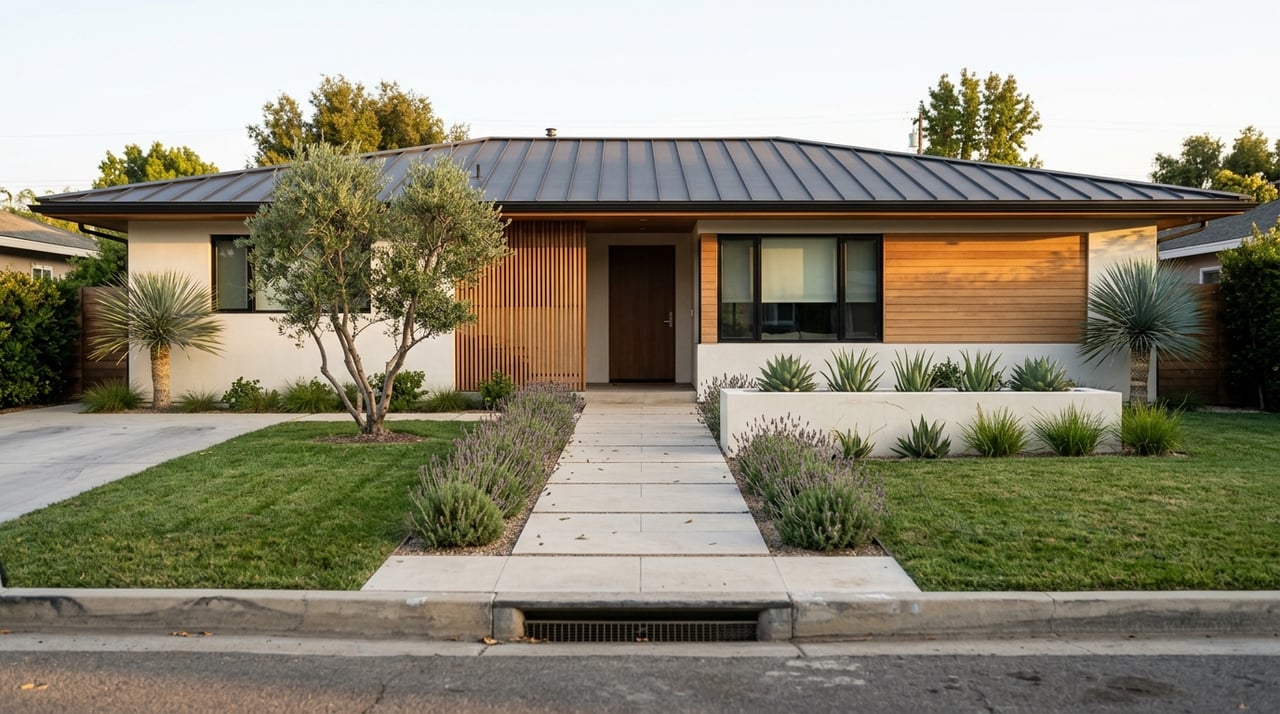
Looking around Encino, you may notice that no single home style defines the neighborhood. One street can feel rooted in postwar California, while another leans more custom, more updated, or more estate-like. If you are trying to understand what gives Encino its visual character, it helps to see the neighborhood as a collection of architectural layers rather than one fixed look. Let’s dive in.
Why Encino Feels Architecturally Varied
Encino is best understood as a neighborhood shaped over time. According to Los Angeles City Planning, areas south of Ventura Boulevard are known for estate-size single-family lots, while areas north of the 101 include a mix of single-family and multiple-dwelling housing. That mix of lot patterns and housing types plays a big role in why Encino feels varied from block to block.
There is also a much older layer beneath the suburban neighborhood people know today. Los Encinos State Historic Park preserves the rancho-era site that predates modern Encino, which adds important historical context to the area’s development. In simple terms, Encino did not appear all at once, and its architecture reflects that long timeline.
A key postwar chapter came with Encino Village. SurveyLA notes that construction there began in 1955 on former RKO Encino Ranch land, with original tract homes marketed in four types: “moderns,” “transitionals,” “ranches” and “Colonials.” That helps explain why Encino can feel ranch-oriented, mid-century influenced, and newer in style all at the same time.
Ranch Homes in Encino
Ranch homes are one of the clearest architectural threads in Encino. Britannica describes the ranch house as a single-level home with a low roof and a generally open rectangular plan. In postwar versions, the National Park Service notes that interiors often emphasized larger shared spaces with fewer partitions, creating easier movement through the home.
That description matches many of the qualities buyers still respond to today. A ranch home often feels practical, comfortable, and easy to live in because the layout is usually straightforward. The connection to the yard or patio can also feel more natural, especially on lots where outdoor space is an important part of daily life.
SurveyLA identifies ranch-heavy tracts in the Encino-Tarzana area, including Encino Woods, where homes ranged from Traditional Ranches to Minimal Traditional and Cape Cod Ranches. Chardon Circle is described as a notable concentration of Contemporary Ranch houses. Encino Village also included ranches among its original home types, reinforcing how central this style is to the neighborhood story.
What Ranch Design Often Feels Like
For many buyers, the appeal of a ranch home starts with one-level living. Daily circulation tends to be simple, and rooms often feel connected without too much formality. That can make the home feel calm and usable, especially if you value layout efficiency.
Ranch homes also tend to sit low on the lot, which changes how the property feels from the street and from the backyard. In Encino, that low-slung profile often works hand in hand with lawns, driveways, attached garages, and patio space. The result is a style that is less about ornament and more about livability.
Mid-Century Modern in Encino
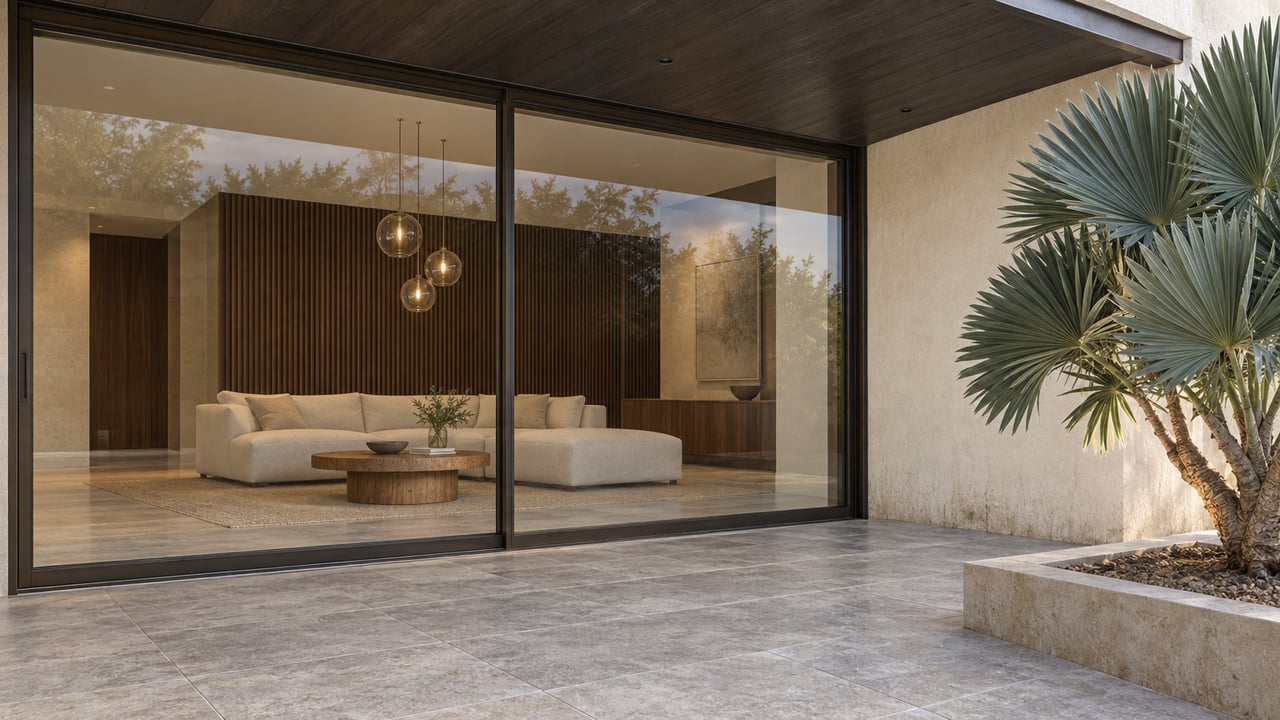
Mid-century modern is another important part of Encino’s architectural identity. Los Angeles City Planning describes mid-century modernism as a broad postwar modern movement that includes post-and-beam, Case Study-influenced, and more organic modern expressions. Britannica highlights key features such as free-flowing interior space, large areas of glass, and less decorative ornament.
In practical terms, these homes often read as bright, open, and visually connected to the outdoors. Even when the footprint is modest, the layout and window design can make the space feel larger. That is one reason the style continues to attract buyers who want light, openness, and a more relaxed indoor-outdoor feel.
SurveyLA shows that this is not just a regional trend but part of Encino’s local housing fabric. Many 1960s houses in the Encino-Tarzana survey area are cataloged as “Modern, Mid-Century,” and Encino Village originally included “moderns” among its design types. At the same time, the survey notes that many individual homes have been altered over the years, which is worth keeping in mind when you compare original design character with later updates.
Signs You May Be Looking at Mid-Century Design
You may be seeing mid-century influence if a home has:
- Broad glass openings or an emphasis on natural light
- A more open interior flow
- Minimal decorative trim
- Strong visual links between indoor and outdoor areas
- A clean, simple shape rather than a heavily detailed facade
Not every Encino home will be a textbook example. Some homes preserve more original features, while others blend mid-century bones with modern remodeling. That mix is part of what makes house hunting in Encino interesting.
Contemporary New Builds and Remodels
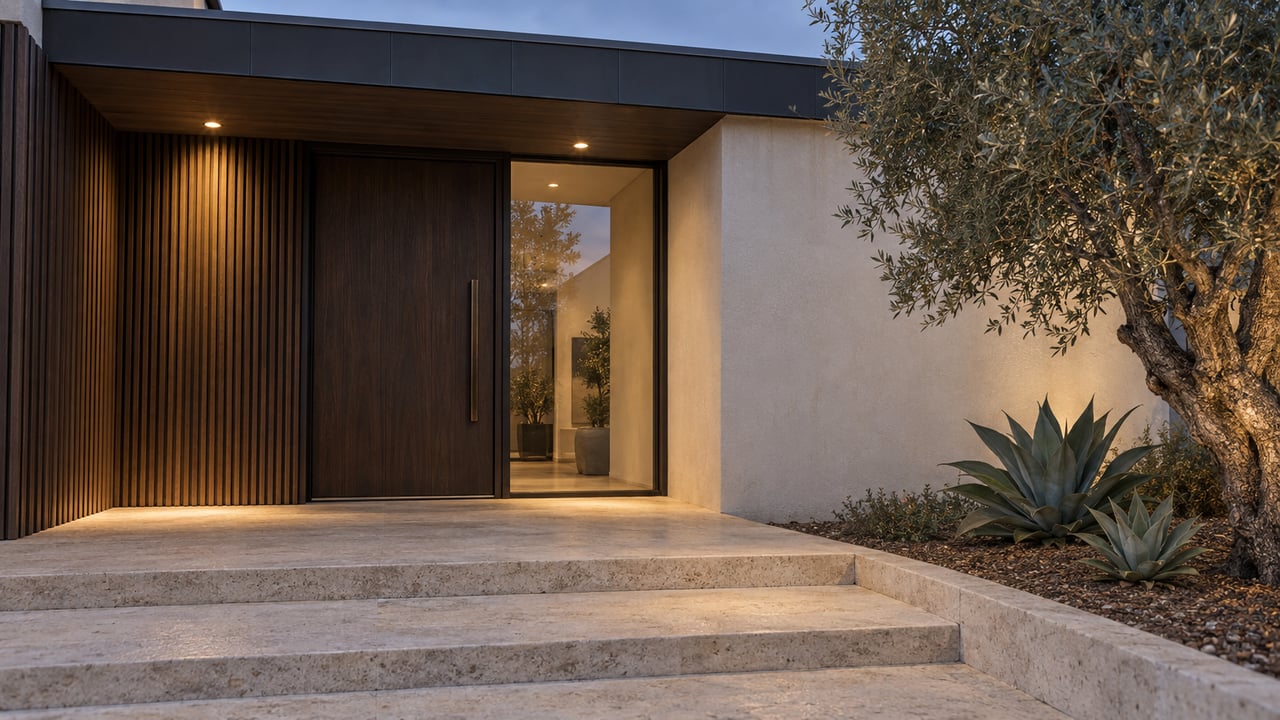
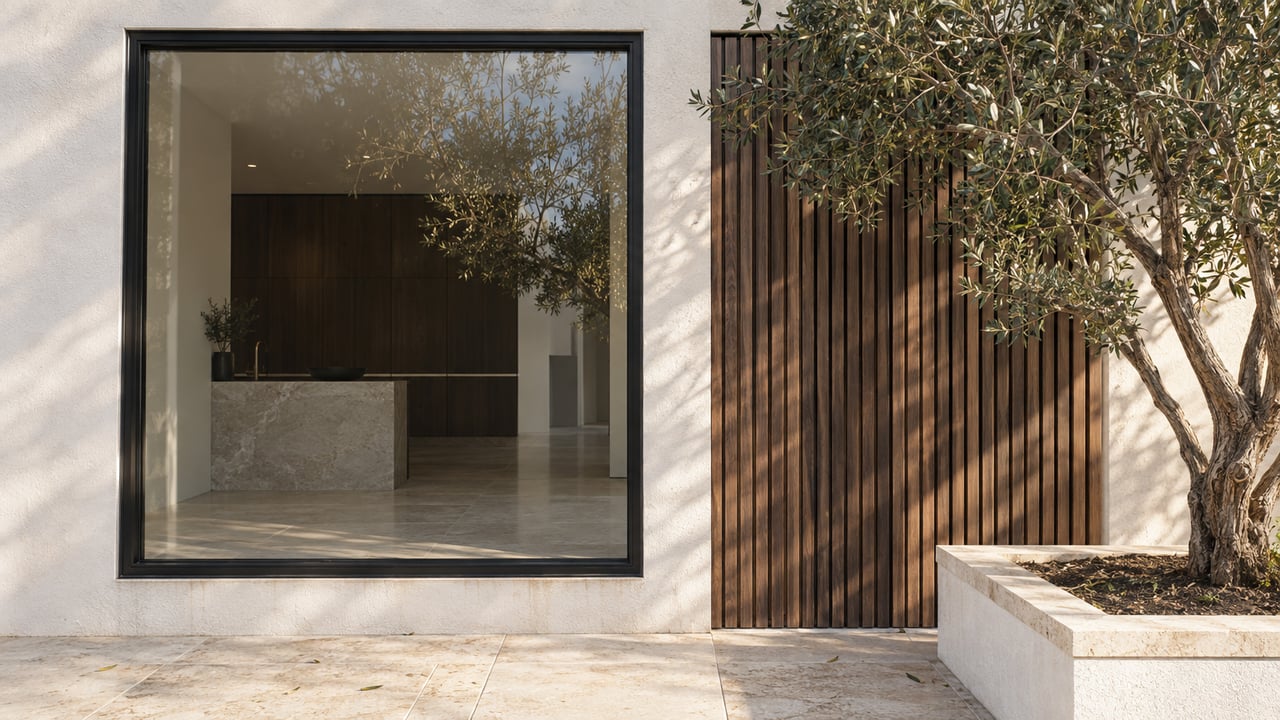
A newer layer in Encino comes from contemporary new construction and major remodels. In recent Los Angeles Times features on Encino homes, newer properties highlighted elements like wide-plank floors, vaulted ceilings, open-plan living and dining areas, multiple family spaces, chef’s kitchens, and outdoor amenities such as pools, spas, cabanas, and outdoor kitchens.
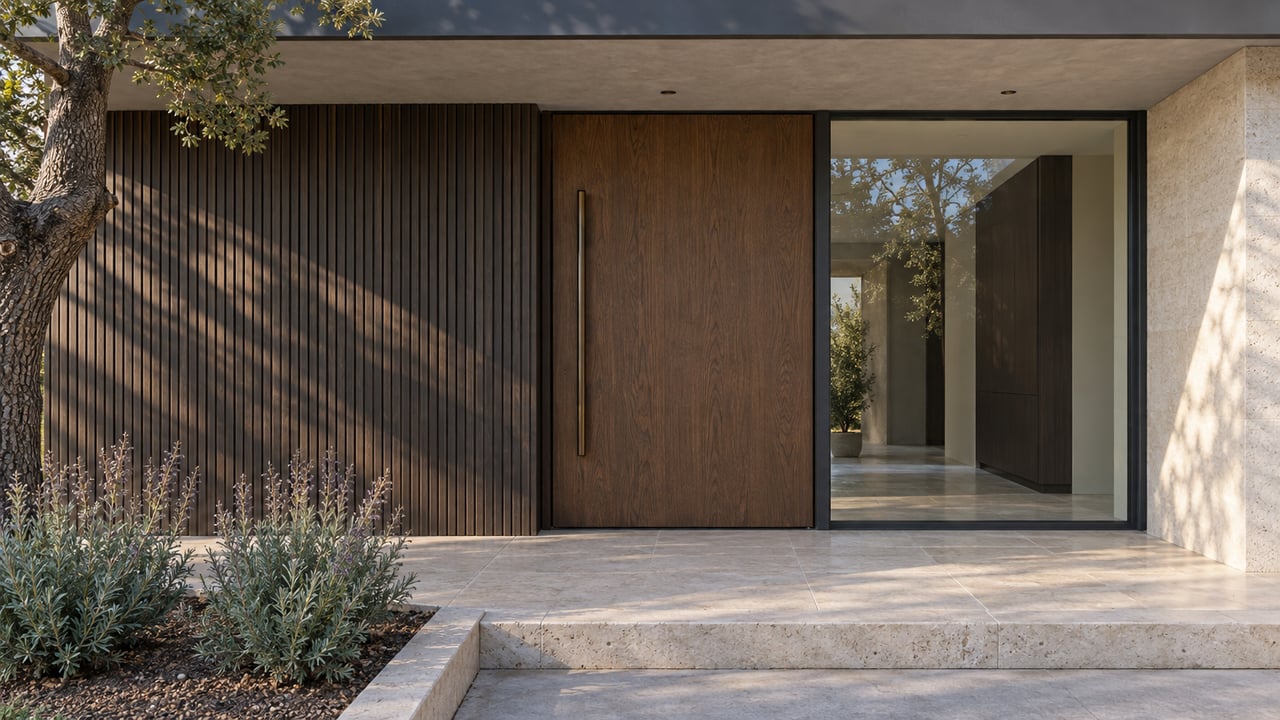
What is especially useful to understand is that “contemporary” in Encino often does not mean stark or ultra-minimal from the street. Many homes pair traditional-looking exterior cues with current interiors and lifestyle-focused layouts. In the examples highlighted by the Times, the outside may reference familiar forms, while the inside emphasizes ceiling height, openness, modern materials, and flexible living space.
This matters if you are comparing homes by photos alone. A property may read as Cape Cod-inspired, farmhouse-influenced, or otherwise traditional from the curb, but still function like a very modern home once you step inside. In Encino, exterior style and interior experience do not always tell the same story.
What Buyers Often Notice in Newer Homes
Newer Encino homes often prioritize:
- Open-plan main living areas
- Larger kitchen and family room connections
- Higher ceilings
- More glass and natural light
- Multiple flex spaces
- Strong backyard amenities for everyday use and entertaining
That lifestyle-forward approach is a major part of the appeal. The design is often centered on how you live now, not just how the home looks in elevation.
Style and Lot Setting Go Together
One of the most helpful ways to think about Encino architecture is to look at the house and the lot together. The City’s community plan points to estate-size single-family parcels south of Ventura Boulevard, while Encino Village reflects a postwar tract pattern with moderate setbacks and smaller lawn-and-driveway relationships. Those planning differences shape how architecture is experienced in real life.
A ranch home on a broader parcel can feel very different from a similar style on a tighter tract lot. The same is true for mid-century and newer homes. Frontage, setbacks, yard depth, and the relationship between house and outdoor space all affect how a property lives, not just how it is labeled architecturally.
For buyers, that means style is only part of the picture. What often makes a home feel right in Encino is the combination of light, layout, lot placement, and outdoor connection. Two homes may share a style category and still offer very different day-to-day experiences.
What This Means When You Tour Homes
If you are exploring Encino, it helps to move beyond simple labels. A home described as ranch, mid-century, or contemporary may have original elements, later renovations, or a blend of both. Understanding that layered context can help you evaluate a property more clearly.
As you tour, pay attention to the features that affect livability most:
- How the layout flows from room to room
- How much natural light reaches the main living areas
- How the home connects to the yard or patio
- Whether updates complement or compete with the original design
- How the lot size and placement shape privacy and outdoor use
That kind of close reading is especially valuable in a neighborhood like Encino, where architecture is not one-note. The variety is part of the appeal, but it also means a more informed eye can help you spot both character and long-term potential.
Encino’s Architecture Tells a Layered Story
Encino’s visual identity comes from successive eras, not a single design rulebook. There is rancho-era history in the background, a strong postwar layer of ranch and modern tract development, and a newer chapter of custom construction and major remodels. Together, those layers create a neighborhood that feels familiar, varied, and highly livable.
If you are buying or selling in Encino, understanding those layers can give you a clearer read on what makes a property stand out. Architectural style matters, but so do setting, updates, and how the home functions today. If you want expert guidance on evaluating character, layout, and value in Encino, Tina Dagent can help you navigate the details with a thoughtful, strategic approach.
FAQs
What architectural styles are common in Encino?
- Encino includes a mix of ranch homes, mid-century modern homes, Colonial and transitional postwar tract homes, and newer contemporary builds or remodels.
Why does Encino have so many different home styles?
- Encino developed in layers, from rancho-era origins to postwar tract construction and later custom-home development, so the neighborhood does not have one single dominant architectural style.
What defines a ranch home in Encino?
- Ranch homes in Encino are typically low-slung, often single-level, and known for practical layouts, easier circulation, and a strong relationship to the yard or patio.
Are there mid-century modern homes in Encino?
- Yes, SurveyLA documents many 1960s homes in the Encino-Tarzana area as Modern, Mid-Century, and Encino Village originally included “moderns” among its home types.
What do contemporary homes in Encino usually offer?
- Contemporary homes in Encino often emphasize open-plan interiors, higher ceilings, more natural light, flexible living areas, and upgraded outdoor amenities such as pools, spas, cabanas, or outdoor kitchens.
How should you evaluate home style in Encino when buying?
- It helps to look beyond the style label and consider layout, light, lot size, yard connection, and whether updates work well with the home’s original design.