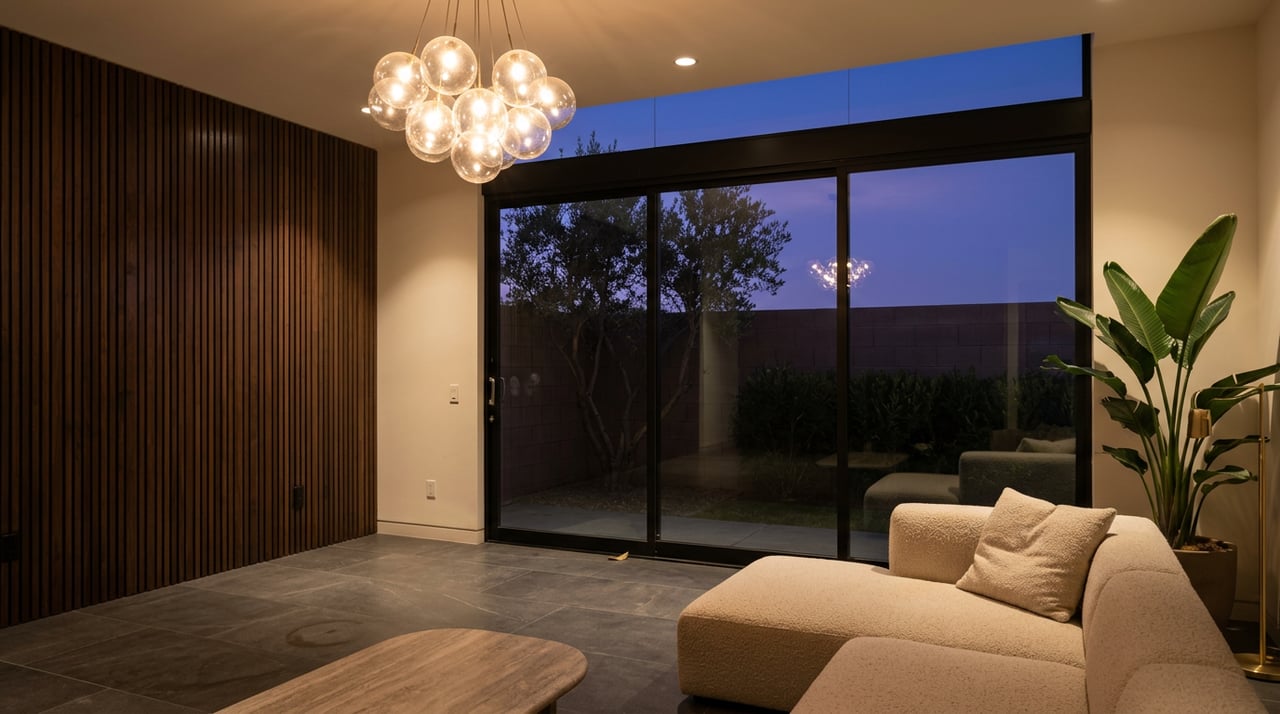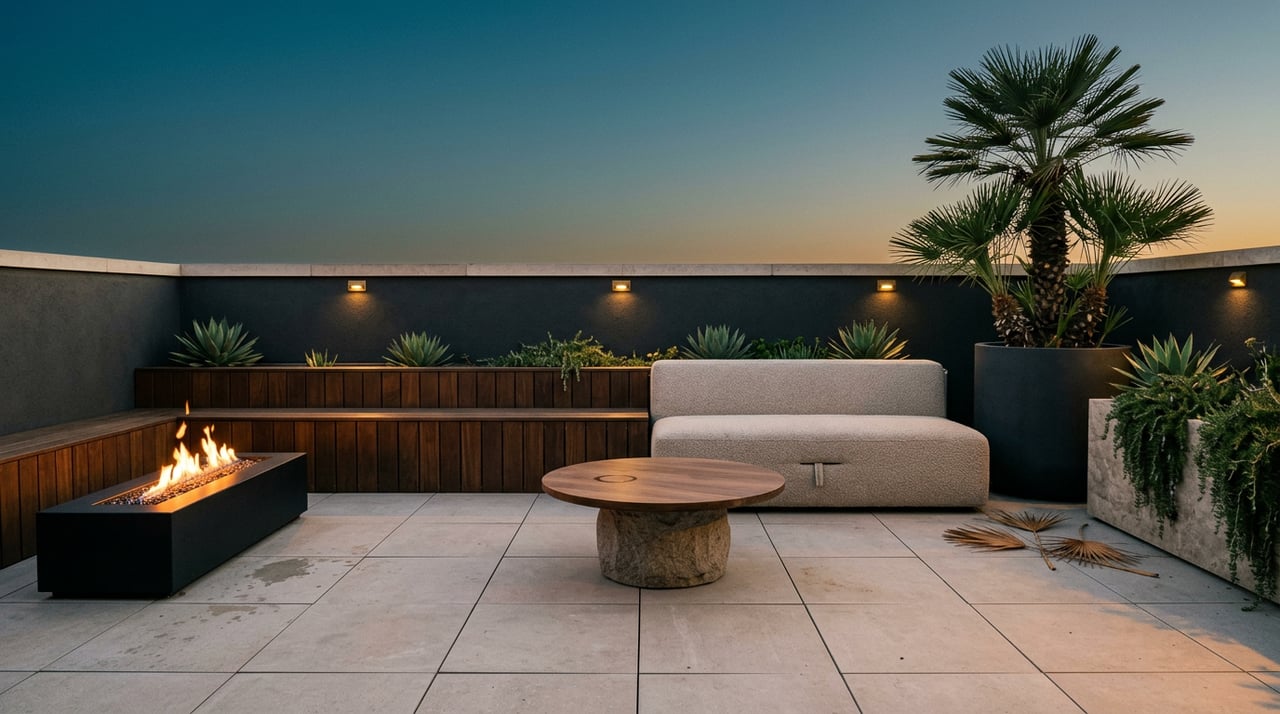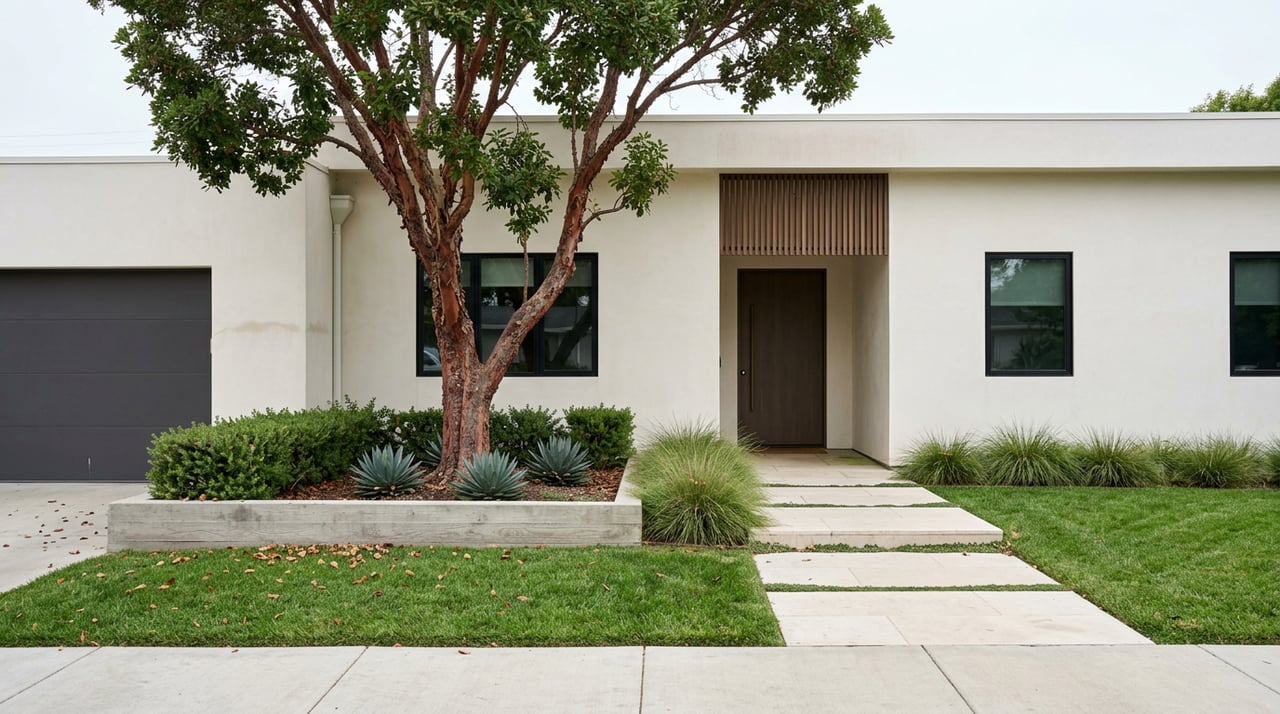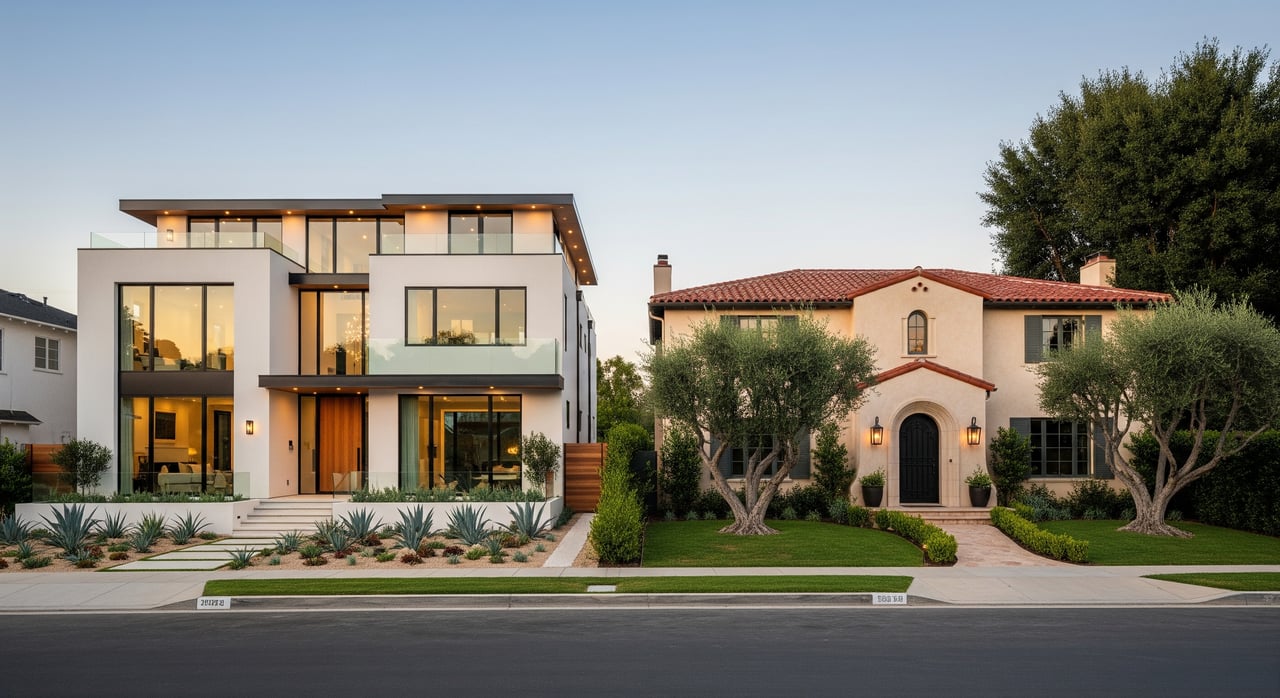
Torn between the clean appeal of a brand-new build and the character of a classic Sherman Oaks home? You are not alone. Many Valley buyers want modern layouts and lower upkeep, but also love mature trees, privacy, and established streets. In this guide, you will get a clear, local comparison of new construction and classic homes so you can match your next move to your family’s needs, budget, and timeline. Let’s dive in.
New construction at a glance
New builds in Sherman Oaks are often replacement homes on existing lots. Many are designed with modern living in mind.
- Open-plan great rooms and large kitchen islands
- Generous primary suites with walk-in closets
- Flexible rooms for office, play, or guests
- Wide glass doors that connect to patios or yards
- Updated systems, energy-efficient features, and smart controls
Bottom line: If you want a turnkey layout with few immediate projects, new construction can deliver it.
Classic Sherman Oaks homes at a glance
Sherman Oaks has a strong mix of Spanish, Ranch, and mid-century styles. Many sit on established streets with mature landscaping.
- Distinct architecture and neighborhood character
- More compartmentalized layouts and smaller kitchens in original condition
- Potential for additions or an ADU on the right lot
- Immediate maintenance or system upgrades are common
Bottom line: If you value charm and a mature yard and you are open to renovations, an existing home can be a great fit.
Layout and livability
New construction layouts
New homes are typically optimized for today’s daily flow. You get open gathering spaces, indoor and outdoor connections, and extra storage. Floor plans often include an office or flexible room and a secondary living area or loft. Square footage tends to feel efficient compared with older homes of similar size.
Classic home layouts
Older homes can feel more segmented, with smaller kitchens and fewer bathrooms. Circulation may be unconventional by current standards. That said, many classic homes sit on larger lots, which can allow for thoughtful additions or an ADU with the right planning.
Family takeaway: If you want move-in convenience and modern flow right away, lean new. If you can phase a remodel to create the spaces you need, a classic home may offer more long-term potential.
Energy efficiency and systems
What code means for new builds
California’s current building and energy standards set a high baseline for insulation, windows, lighting, and HVAC. Many new Sherman Oaks builds include electric-ready designs, efficient heat pumps, and solar or solar-ready roofs. In practice, this often means lower energy bills at the start, though actual savings depend on home design and how you use it.
Existing home upgrade path
Older homes often have gas appliances, less-efficient windows, and aging HVAC. The good news is that incentives can help with upgrades like heat pumps and solar. Retrofitting can be disruptive, and older electrical panels may need capacity upgrades, especially if you plan to electrify or add EV charging.
What to inspect: electrical service amperage, HVAC age and type, roof condition for solar readiness, and insulation levels.
Permitting and timelines in Los Angeles
New build path and timeframe
In Sherman Oaks, permitting is handled by the City of Los Angeles. A typical new single-family home goes through plan preparation, plan check, corrections, and permit issuance, followed by inspections. Plan check and permits can take several months, often 3 to 9 months depending on scope and backlog. Once permitted, construction commonly runs 9 to 18 months for a full build. Projects needing discretionary approvals can take longer.
Remodels and ADUs
Interior updates and small remodels may require simpler permits, depending on scope. Structural work, plumbing, electrical, and HVAC typically require permits and inspections. ADUs follow streamlined state rules, but still need building permits and must meet local siting and utility standards. Smaller permitted remodels can be measured in weeks or months, while large additions follow timelines similar to new builds.
Tip: If you plan a major project, speak with an architect early and confirm potential requirements with city departments before you commit.
Costs, taxes, and resale
- New construction often commands a higher price per square foot, especially with modern finishes and systems.
- Renovation costs in Los Angeles are generally higher than national averages, so build a clear budget with contingency for surprises.
- Buying either a new or existing home triggers reassessment of property taxes under California’s Proposition 13 rules. Major additions can also affect assessed value over time.
- Resale depends on more than finishes. Lot size, street character, and school boundaries influence demand. On some blocks, oversized replacements may not fit the neighborhood scale, which can affect resale.
- Warranties shift risk. New homes commonly include builder warranties that cover workmanship, systems, and structural items for set periods. Existing homes may come with short-term home warranties, but you will rely more on thorough inspections and seller disclosures.
Maintenance and lifecycle
New homes
New systems and materials typically mean lower near-term maintenance and more predictability. You still want a plan for lifecycle replacements like HVAC or roof over time. Some modern assemblies, like certain exterior cladding or low-slope roofs, may have specific maintenance needs.
Classic homes
Older roofs, foundations, plumbing, and electrical systems may need attention soon after purchase. Mature trees enhance privacy and shade, but roots and trimming add maintenance. Historic finishes are beautiful, but they can cost more to repair or match.
Focus your inspections on: roof age, foundation and structure, plumbing and sewer lines, electrical panels and grounding, HVAC age, signs of water intrusion, and the presence of older materials that may need special handling.
Decision checklist
- Timeline: Do you need move-in ready now, or can you phase a remodel?
- Layout: Do you want open plan today, or are you willing to reconfigure?
- Yard and privacy: Is mature landscaping a must, or will you grow it over time?
- Energy and systems: Prefer code-level efficiency from day one, or comfortable planning upgrades?
- Budget: Have you modeled acquisition, taxes, maintenance, renovation, and a contingency?
- Permitting: Are you comfortable with plan check windows and potential approvals?
- Resale: Does the home fit the block’s scale and the neighborhood’s broader character?
Example buyer scenarios
- Family A wants a modern open plan, low upkeep, and fast move-in. A new build or a recently remodeled home is the best match.
- Family B values a large yard and classic character and can live through a remodel. An existing home with a planned addition or reconfiguration makes sense.
- Family C wants flexibility for extended family or rental income. Look for a classic home with ADU potential or a new build designed with a secondary suite.
Your next step
Choosing between new construction and a classic home in Sherman Oaks comes down to your timeline, tolerance for projects, and lifestyle priorities. If you want help pressure-testing your options, comparing lifecycle costs, and understanding permitting paths before you commit, schedule a conversation with a local advisor who lives in both worlds of design and construction.
Ready to map your plan with a clear path to closing? Schedule a free consultation with Tina Dagent.
FAQs
Will a new home cost less to operate than an older home in Sherman Oaks?
- Generally yes in the early years, due to better insulation and modern HVAC. Actual savings depend on how you use the home and whether features like solar or electrification are included.
How long does it take to build a new single-family home in Sherman Oaks?
- Plan for several months for plan check and permits, often 3 to 9 months, plus 9 to 18 months of construction. Projects needing discretionary approvals can take longer.
Are builder warranties meaningful for new homes in Los Angeles?
- Yes. Builders commonly offer packages that cover workmanship, systems, and structural items for defined periods. Review the specific warranty terms before you buy.
Is renovating an older Sherman Oaks home practical?
- Yes, with the right budget and timeline. Renovations can preserve character and may pencil better than a full rebuild, but expect surprises and plan for contingency.
Will a teardown and rebuild change my property taxes?
- A purchase triggers reassessment under Proposition 13. Major new construction and improvements can also affect assessed value. Confirm details with the county assessor.
How do schools and neighborhood character affect resale?
- Buyers often prioritize specific school boundaries and street character. Homes that align with the block’s scale and lot pattern tend to see stronger resale demand.