Thinking about renovating a Studio City house to unlock more value? In a neighborhood where sale prices are high but buyers are still negotiating, the smartest upgrades are not always the biggest ones. If you want to improve resale appeal, create more flexibility, or evaluate an investment property, it helps to know where value is most likely to come from and where costs, permits, or overbuilding can get in the way. Let’s dive in.
Why value-add looks different in Studio City
Studio City is a premium market, but it is not a blank check market. Spring 2026 data shows a median sale price near $1.97 million on Redfin, a median sale price of about $1.78 million on Zillow, and a median listing price of $2.30 million on Realtor.com, with homes selling for about 98% of list price and a median 46 days on market.
Those figures vary by methodology, but they point to the same takeaway: buyers are paying attention to price, condition, and utility. In practical terms, that means the best value-add strategy is often improving how a home lives and shows without pushing it far beyond what nearby comparable sales can support.
Focus on livability first
For many Studio City single-family homes, the strongest return story is simple: same house, better function. Buyers tend to respond to homes that feel clean, current, and easy to use.
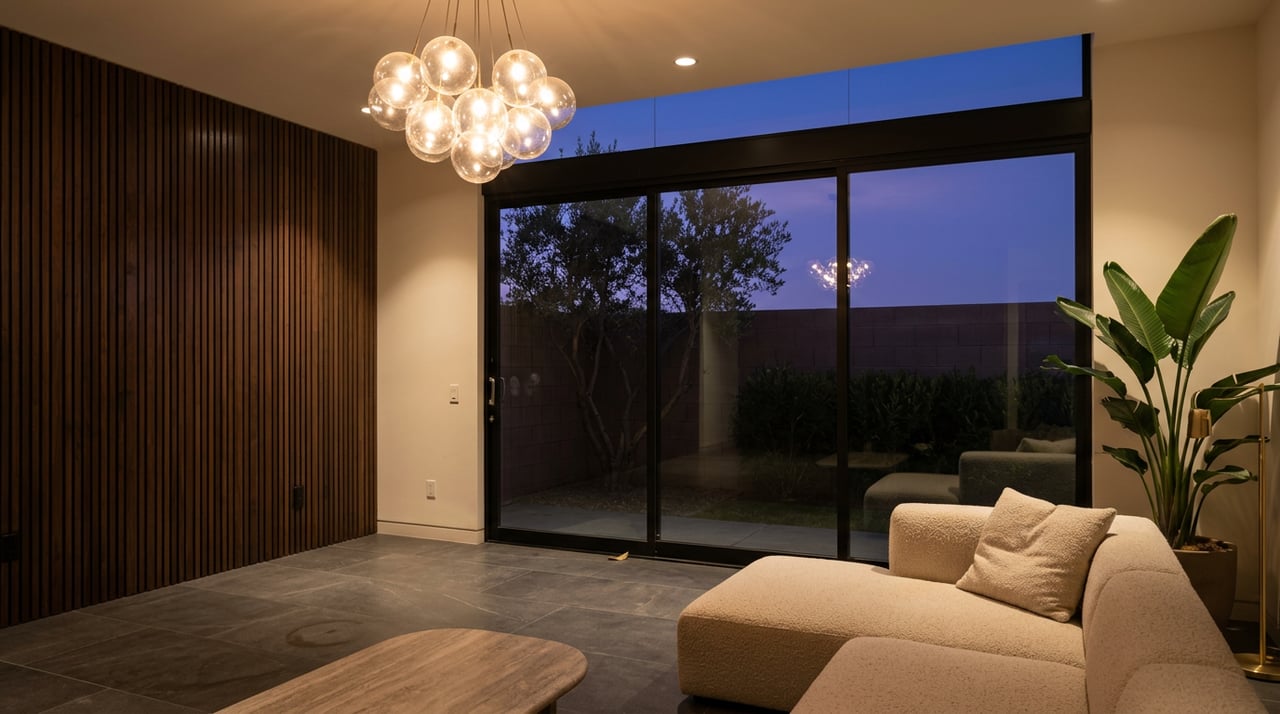
That can mean better finishes, a more efficient layout, improved indoor-outdoor flow, or an added secondary living space where the lot supports it. The goal is not to chase a generic luxury standard. The goal is to make the property more competitive in its specific part of the market.
Cosmetic upgrades with lower friction
Cosmetic improvements are often the easiest place to start because they can refresh the home without triggering a more complicated review process. LADBS states that painting, papering, and similar work are exempt from permit requirements.
That makes surface-level improvements attractive when you want to sharpen presentation without opening the door to a major construction timeline. In many cases, these updates can improve first impressions, help photos show better, and widen the buyer pool without changing the core structure of the home.
Cosmetic updates worth considering
- Interior paint and wall refreshes
- Updated finishes in kitchens and baths
- Same-size window and door replacements where appropriate
- Fixture replacements and similar light renovation items
- Re-roofing or rewiring outlets when needed under eligible permit pathways
LADBS also notes that its Express Permit system can cover several smaller renovation scopes, including same-size window and door replacements, re-roofing, kitchen or bathroom remodels, plumbing fixture replacement, and rewiring outlets. That can make smaller projects more manageable than a full-scale redesign.
Layout changes can add real value
A better floor plan can create meaningful upside, especially in homes with awkward circulation, closed-off kitchens, or underused square footage. When a home feels more functional, the value can show up in both daily livability and resale appeal.
That said, layout reconfigurations are a different category from cosmetic work. LADBS requires building permit review before work begins when a project involves structural alterations or interior changes to the floor plan.
When layout work gets more complex
If your renovation changes structural elements, adds square footage, or meaningfully alters interior configuration, you are likely stepping into a more formal approval process. Bigger remodels can also trigger Los Angeles Green Building Code requirements when the project increases conditioned volume or reaches $200,000 in valuation.
That does not mean the project is a bad idea. It means the scope needs to be evaluated carefully before you assume the payoff will justify the time, cost, and review path.
ADUs are one of the clearest opportunities
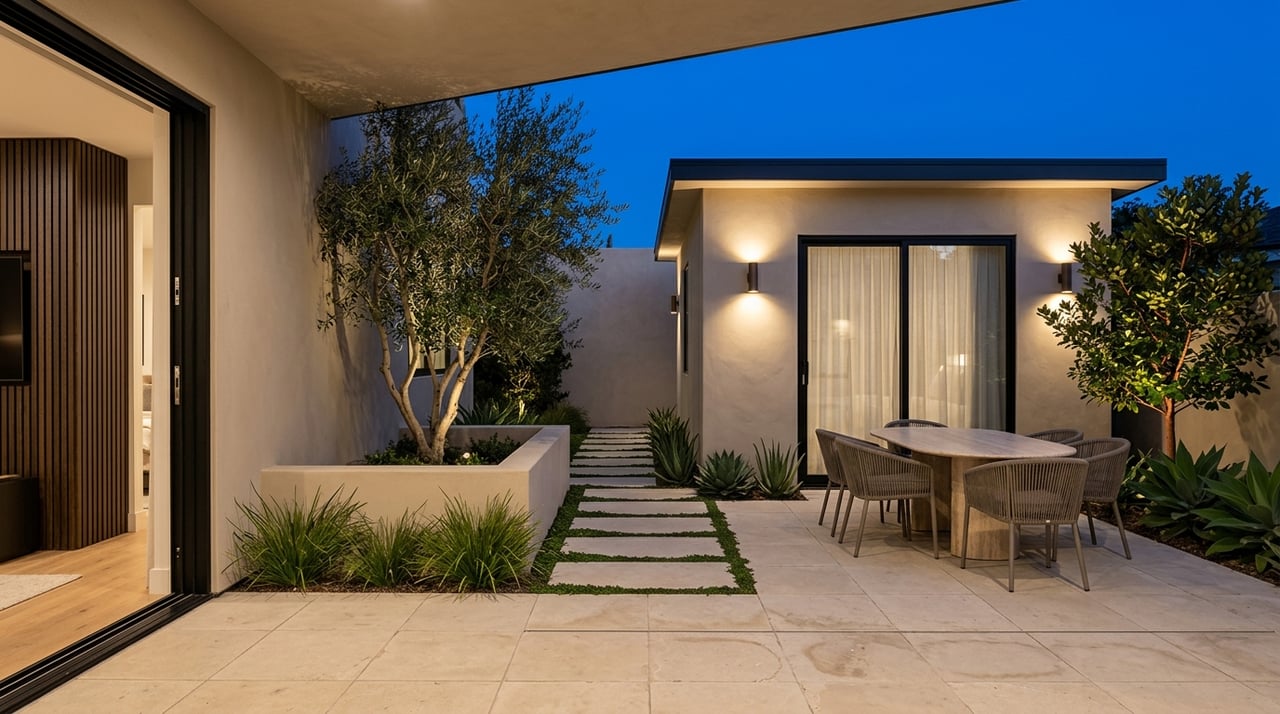
If you are looking for flexibility, an ADU may be one of the most compelling value-add options in Studio City. LADBS defines an ADU as a small secondary dwelling on the same lot as a single-family home, and it can be attached, detached, or created by converting an existing structure such as a garage or backyard cottage.
The City also notes that ADUs can provide space for family members, renters, or rental income. For owners and investors, that flexibility matters because it can expand how the property is used now and how it is marketed later.
What makes ADUs especially attractive
- They can add independent living space on the same lot
- They may support multigenerational living needs
- They can create rental income potential
- They can improve buyer interest through added flexibility
For some properties, a JADU may also be an option. LAHD states that a JADU must be no more than 500 square feet and contained entirely within a single-family residence.
Garage conversions can be powerful
In Studio City, garage conversions often come up because they can turn existing space into something more useful without building from scratch. If done legally and thoughtfully, that can be a strong value-add move.
LADBS notes several practical points that support ADU feasibility. ADUs are allowed in residential areas, parking is not required when the site is within a half-mile walk of public transit, and covered parking removed for an ADU does not have to be replaced.
For detached ADUs built from the ground up, LADBS also requires solar panels. The department further states that its Standard Plan Program can shorten plan-check time and help speed permit issuance.
Permitted work matters at resale
A permitted ADU or conversion is generally easier to defend at resale than an unpermitted one. LADBS states that permit and inspection records create documentation that matters when a property is sold or refinanced.
That documentation can help reduce uncertainty for buyers and lenders. It can also make your marketing story stronger because the improvement is supported by a clear paper trail rather than informal representations.
If the ADU or JADU is part of a rental property, LAHD notes that the Los Angeles Housing Code can apply. That is one more reason to confirm the legal framework before you start construction or income projections.
Outdoor value-add works best when usable
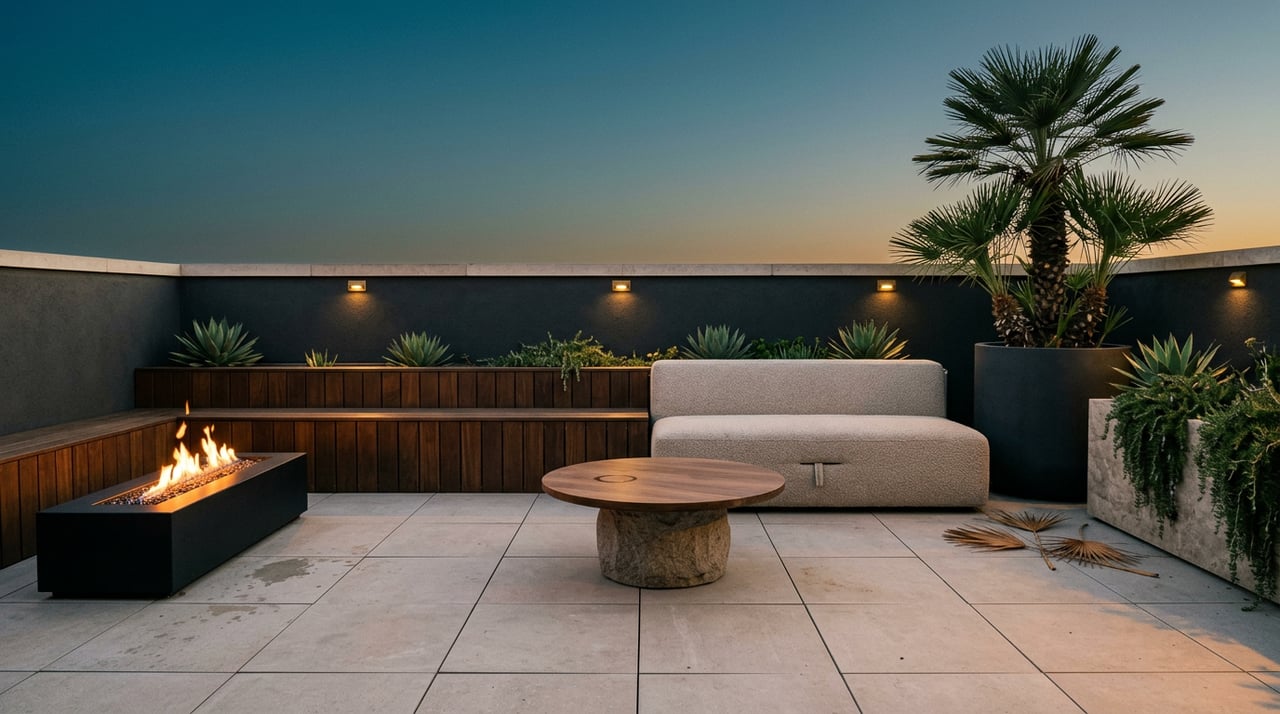
Outdoor upgrades can absolutely add value in Studio City, especially when they make the lot feel more livable and more functional. In many cases, buyers respond well to outdoor spaces that feel finished, flexible, and easy to enjoy.
But exterior projects are not always simple. LADBS requires building permits for items such as fences, retaining walls, shoring plans, structural alterations, and many private-property construction or repair projects.
Smart outdoor improvements to evaluate
- Better yard usability and flow
- Defined entertaining or seating areas
- Thoughtful upgrades that avoid major earthwork
- Site improvements that work with existing lot constraints
The practical lesson is that outdoor value often comes from usability, not from forcing a major build. If the upgrade requires extensive grading, structural work, or tree removal, the path can become much more involved.
Trees and grading can change the equation
Trees are an important due-diligence item before you finalize exterior plans. StreetsLA states that tree removal permits are required for tree removal, and permits can be denied if the tree can be preserved through redesign.
City guidance also notes that protected trees or trees in the public right-of-way can trigger added review or a tree report. If your project depends on removing or heavily impacting trees, your timeline and design may need to change.
Grading can create similar issues. If the lot is in the City’s hillside grading area, grading permits may be required for grading, earthwork, removal and recompaction, or backfill, and soils or geology reports are usually required before permits are issued.
Start with due diligence, not demolition
Before you commit to a value-add plan, it is worth confirming the property’s actual constraints. LADBS points homeowners to ZIMAS for zoning and property information before starting work, and the department states that obtaining permits and inspections is required by law.
That means a smart pre-renovation review should look at more than finishes and design ideas. It should also include permit history, lot limitations, tree impacts, grading concerns, and whether the proposed scope fits the likely resale ceiling for that area.
How to avoid overbuilding
In a neighborhood like Studio City, overbuilding does not just mean spending too much. It means putting money into features, square footage, or complexity that local comparable sales may not fully reward.
A safer strategy is usually to prioritize improvements that buyers can feel immediately. Cleaner presentation, more usable layouts, compliant secondary living space, and practical outdoor function often tell a stronger resale story than highly customized work with heavy permitting and construction risk.
A practical value-add checklist
Before moving forward, ask yourself:
- Does this project improve day-to-day function?
- Will buyers in this part of Studio City likely recognize and pay for it?
- Does the scope require structural review, floor-plan changes, or added green building compliance?
- Is an ADU or JADU feasible on this lot?
- Are there tree, grading, or site issues that could delay approvals?
- Will the work be fully permitted and documented for resale?
When you answer those questions early, you can make smarter decisions about where to invest and where to hold back.
In Studio City, the best value-add opportunities usually come from strategic restraint, not excess. If you are weighing a cosmetic refresh, a floor-plan rethink, or an ADU play, the right advice can help you match renovation scope to market reality and avoid expensive surprises. If you want a clearer plan for a specific property, Tina Dagent can help you evaluate the opportunity with a practical, market-aware lens.
FAQs
What are the best value-add upgrades for a Studio City single-family home?
- The strongest opportunities are often cosmetic refreshes, better function, thoughtful layout improvements, compliant ADUs where feasible, and outdoor upgrades that improve usability without overbuilding.
Do Studio City home renovations require permits?
- Some do and some do not. LADBS states that painting, papering, and similar work are exempt, while structural alterations, additions, and interior floor-plan changes require building permit review before work begins.
Is an ADU a good investment for a Studio City house?
- It can be, especially because LADBS allows ADUs in residential areas and the City notes they can provide space for family members, renters, or rental income, but feasibility depends on the lot and permit path.
Can you convert a garage into living space in Studio City?
- In many cases, yes, but the project should be evaluated through the City’s ADU and permitting rules so the conversion is legal, documented, and easier to support at resale or refinance.
Do you need to replace parking after a Studio City garage ADU conversion?
- LADBS states that covered parking removed for an ADU does not have to be replaced, and parking is not required when the site is within a half-mile walk of public transit.
Why do permits matter when selling a Studio City home?
- LADBS states that permit and inspection records create documentation that can matter when a property is sold or refinanced, which can make a permitted improvement more defensible than an unpermitted one.
Can backyard and hillside projects in Studio City be more complicated?
- Yes. LADBS states that permits may be required for fences, retaining walls, grading, and earthwork, and hillside grading areas can also require soils or geology reports before permits are issued.
Should you remove trees to expand a Studio City yard project?
- Not without early review. StreetsLA states that tree removal permits are required, and removal can be denied if the tree can be preserved by redesign. Protected trees or trees in the public right-of-way can also trigger additional review.